Division of Biology and Medicine
Center for Global Health Equity

CGHE Awards 6 Global Health Scholars Training Grants

Through the Global Health Scholars Training Grant, The Center for Global Health Equity supports medical students, residents, and fellows in conducting research focused on global health and health equity. The program provides research seed funding for projects linked to Brown faculty scholarly work. Awards support a diverse cohort of scholars, with funding of up to $3,500 for local or remote projects and up to $5,000 for projects based at international sites. This year’s scholars consist of 6 grantees conducting global health work across such different parts of the world. 

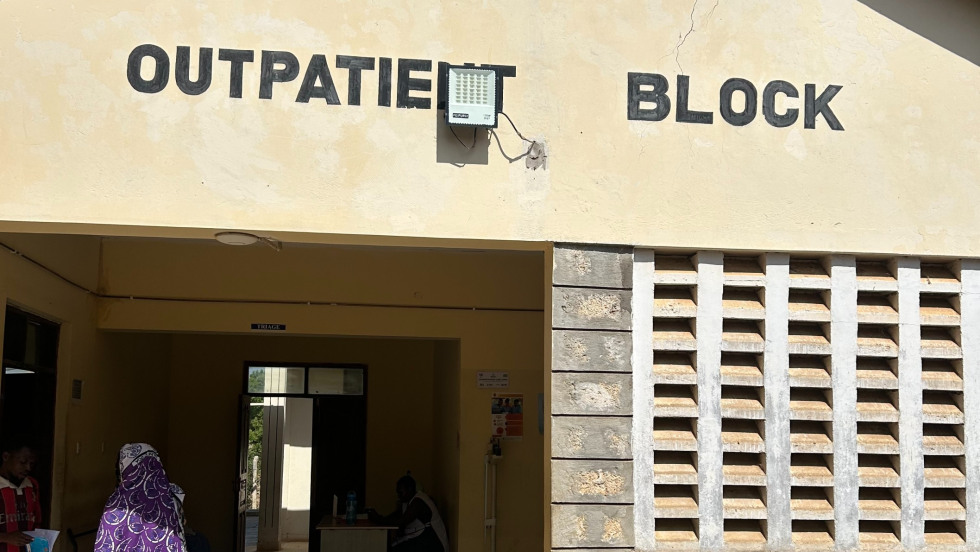
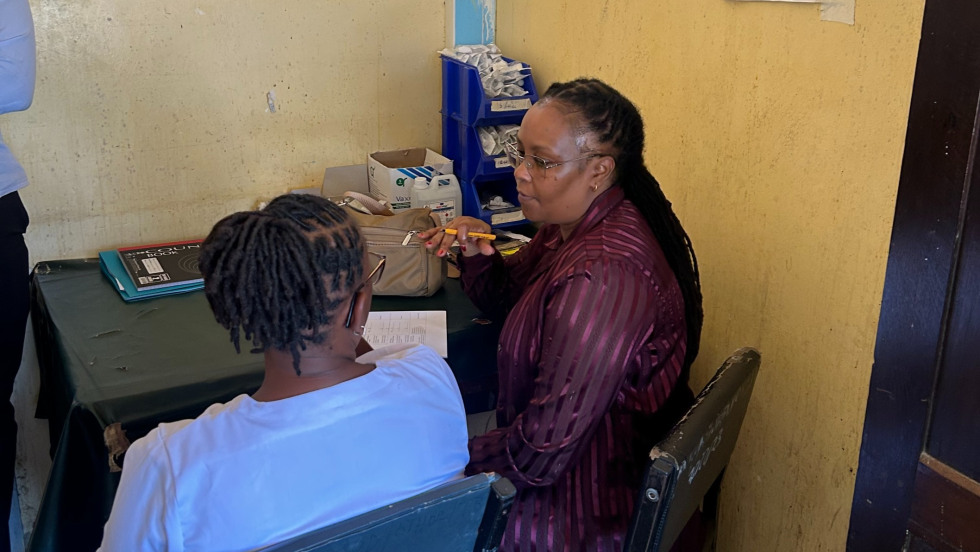
We sat down with one of the recipients, Gideon Loevinsohn, and asked him about his experiences in emergency care in Kenya to better understand the motivations behind his project. He shared his reflections on how this project emerged from local needs.
“ Emergency triage goes to the very heart of emergency care. ”

Gideon Loevinsohn

What Inspired Him

To Gideon,  no matter where one practices — the ability to rapidly identify and prioritize patients at highest risk of clinical deterioration allows for some measure of order, efficiency, and equity within otherwise inherently chaotic emergency settings.

Who He Is Collaborating With

This project emerged directly in response to a request from Gideon’s collaborator in Kenya, Dr. Benjamin Wachira, and his organization, the Emergency Medicine Kenya Foundation. As part of broader collaborative efforts to strengthen emergency care systems across Kenya, EMKF has launched triage training programs for local hospitals. The present study seeks to help pave the way for these efforts by developing better understanding of current triage practices, constraints, and opportunities for strengthening.

About Gideon’s Project

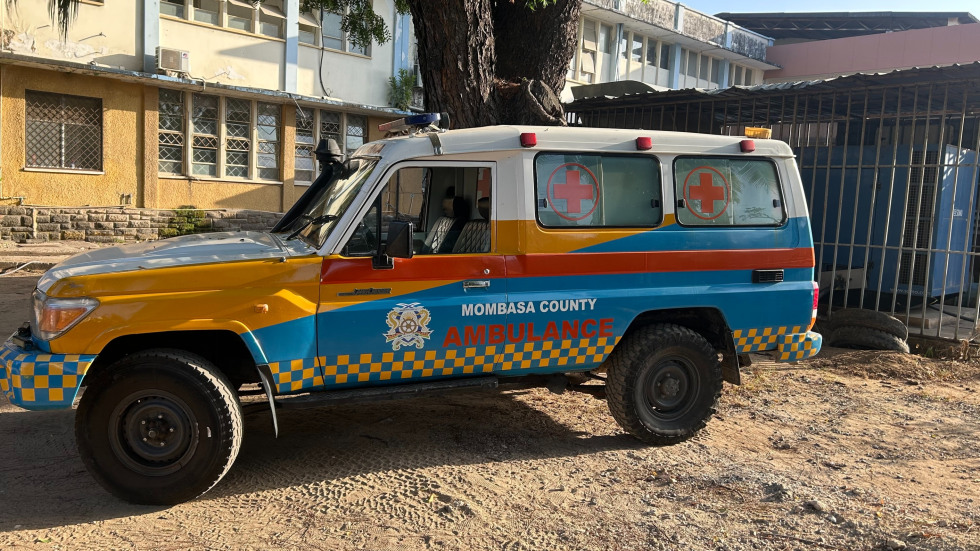
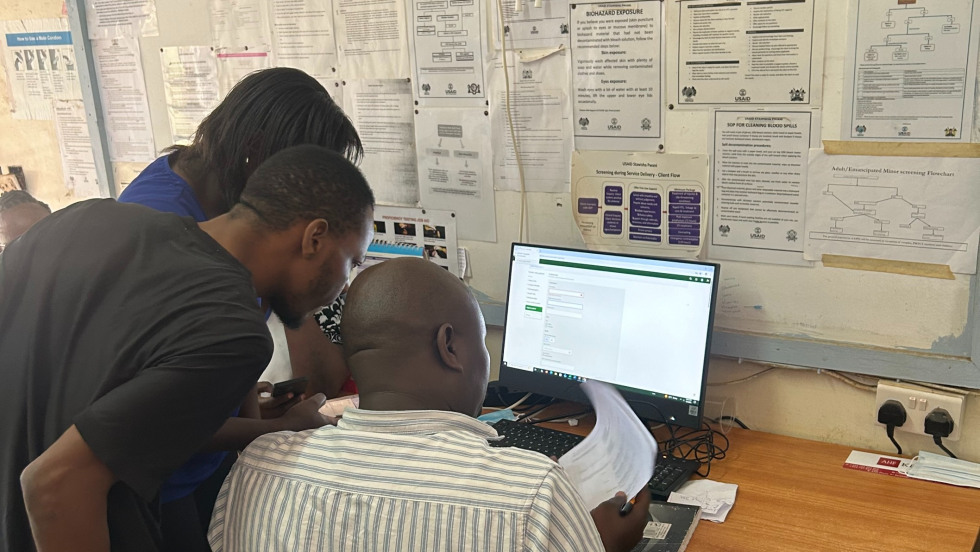
His project focuses on emergency triage practices in public emergency departments across coastal Kenya. Working in hospitals in Mombasa, Kilifi, and Kwale counties, his research examines how triage systems are organized, staffed, and implemented in resource-constrained settings. In collaboration with the Emergency Medicine Kenya Foundation and Aga Khan University–Nairobi, Gideon is conducting a mixed-methods assessment that combines on-site evaluations of triage infrastructure with interviews of clinical and administrative staff. His work aims to identify practical barriers and facilitators to effective triage and to generate evidence that can guide standardized training, system improvements, and policy efforts to strengthen emergency care and reduce preventable deaths.

Learn more about the other Global Health Scholars Grantees below: 

2026 Grantees

  • Amy Allen

    Amy Allen, MD

    Project Name: Evaluation of Novel Implementation Science Course for Ukrainian HIV/ TB and Mental Health Researchers During Ukraine’s Humanitarian Crisis

    Amy Allen’s interest in global health centers on strengthening health systems in settings affected by conflict and displacement. Her work focuses on the intersecting crises of HIV, tuberculosis, substance use, and mental health in Ukraine, where ongoing war has disrupted health services and research infrastructure. In collaboration with faculty at Brown University and the National University of Kyiv-Mohyla Academy, Amy is evaluating a virtual implementation science short course designed to support Ukrainian researchers through locally led training and mentorship. Her project emphasizes practical application, participant feedback, and sustainability, with the goal of informing capacity-building efforts in Ukraine and other conflict-affected regions.

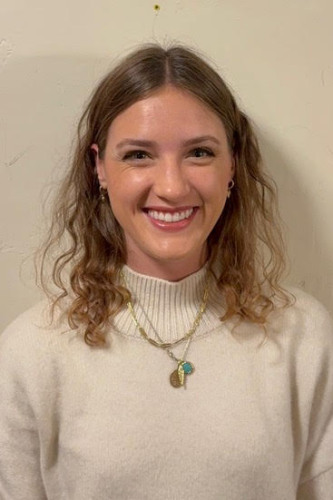
  • Francesca headshot

    Francesca Bragg

    Project Name: After the Fire: Surgical System Resilience and Trauma Care Recovery at Hospital do Divino Espírito Santo

    Francesca Bragg’s project examines how a hospital surgical system responds to and recovers from sudden infrastructure loss. Her work focuses on Hospital do Divino Espírito Santo in the Azores, where a major fire in 2024 temporarily shut down operating rooms and disrupted trauma and emergency surgical care. Through a mixed-methods study, combining surgical data and interviews with hospital staff, Francesca is documenting how surgical services adapted during the recovery period, what barriers clinicians faced, and what strategies were used to help maintain care in a geographically isolated setting. Her research aims to inform disaster preparedness and surgical system resilience planning for hospitals facing similar conditions.

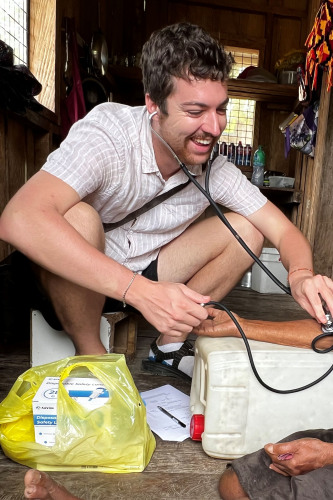
  • Dylan Bush evaluates patient

    Dylan Bush

    Project Name: Surgical Referral Networks and Capacity in the Emerging Nation of Bougainville

    Dylan Bush’s work focuses on surgical access and health system planning in remote and post-conflict settings. His project examines surgical referral networks and local surgical capacity in the Autonomous Region of Bougainville, an emerging nation preparing for independence from Papua New Guinea. Working in partnership with the Bougainville Department of Health, Dylan is assessing current surgical services at Buka Hospital and other regional health facilities, as well as patterns of referrals for complex surgical care. By documenting gaps in infrastructure, workforce, and access to safe surgery, his research aims to provide practical, policy-relevant data to support surgical system strengthening as Bougainville transitions to full autonomy.

  • Kirsten Headshot

    Kirsten d'Hemecourt

    Project Name: Anemia Risk and Hepatic Fibrosis in the context of Schistosoma japonicum Infection

    Kirsten d’Hemecourt’s work focuses on the health impacts of schistosomiasis in endemic areas, with particular attention to anemia and chronic liver disease. Her project uses data from an ongoing Tropical Medicine Research Centers study in Leyte, Philippines, to examine how hepatic fibrosis related to Schistosoma japonicum infection contributes to the type and severity of anemia over time. By analyzing clinical, laboratory, and ultrasound data, Kirsten’s research aims to clarify the role of inflammation, particularly IL-6, in linking chronic liver injury to anemia of inflammation. This work aims to improve the understanding of disease progression in schistosomiasis and help guide more targeted approaches to managing anemia in affected populations.

  • Madeline Goosman

    Madeline Goosman

    Project Name: Retrospective Cohort Study of Older Adults Presenting with Traumatic Injuries to a Public Hospital in the Azores

    Madeline Goosman’s work focuses on understanding how trauma affects older adults in aging and geographically isolated health systems. Her project examines trauma care among adults aged 65 and older in the Azores, an autonomous region of Portugal, using data from the region’s main referral hospital. By comparing injury patterns, outcomes, and healthcare burden in the Azores with data from Rhode Island Hospital, her research aims to identify similarities and differences that can inform trauma system planning for aging populations. Her work addresses a critical gap in age-specific trauma data and is intended to support evidence-based policy, prevention strategies, and resource allocation for older adults in both island and mainland health systems.

We look forward to seeing these research projects take place and be presented at next year’s Global Health and Equity Symposium. Learn more about CGHE funding sources here!