Community Spotlight: World Chagas Disease Day
For World Chagas Disease Day, we are highlighting Dr. Meagan Barry, who dedicated her graduate studies to focusing on improving understanding, diagnosis, and care for Chagas disease.
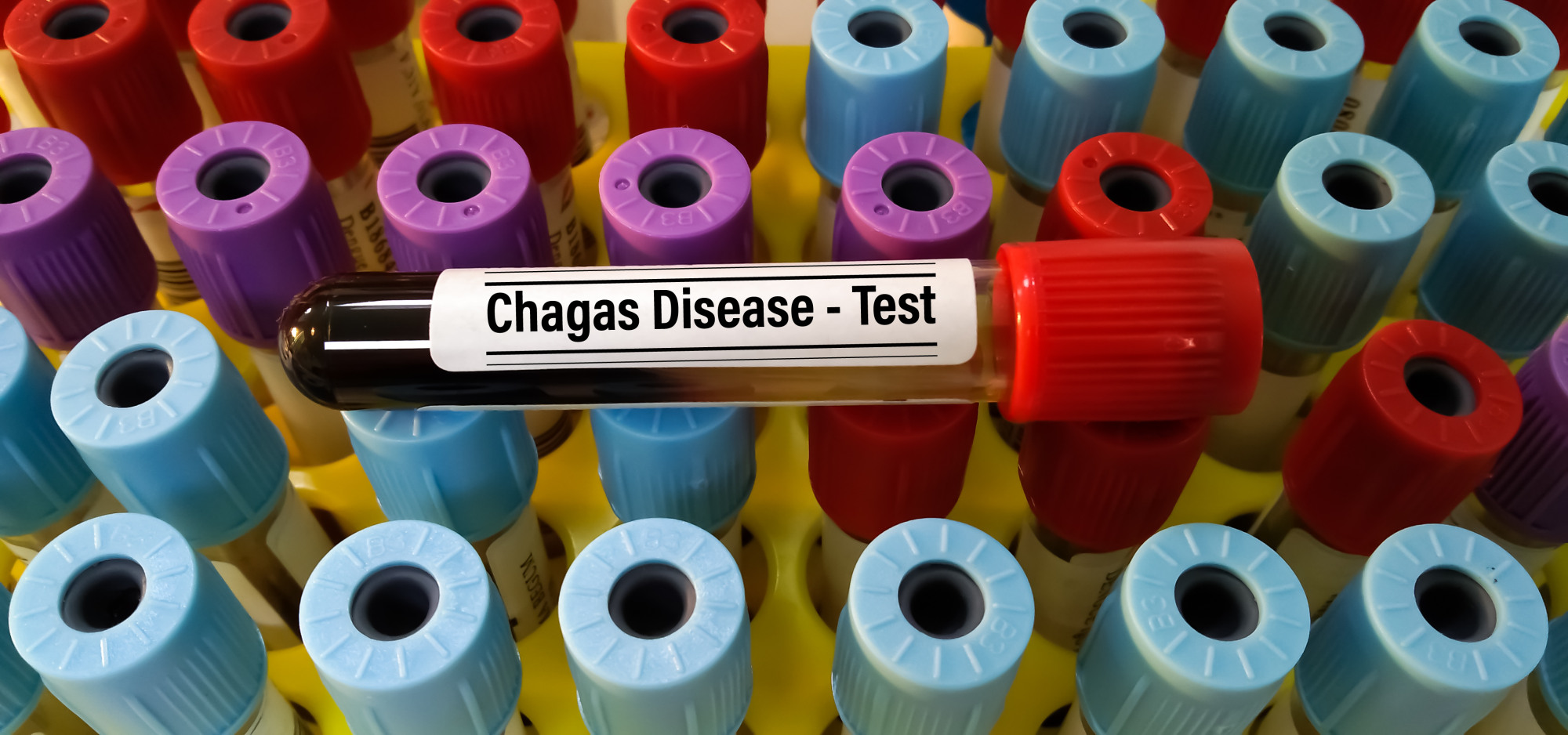
Dr. Barry was first drawn to researching Chagas disease because of the scale of the problem and how it remains largely overlooked. “Up to 8 million people—and 300,000 in the U.S.—are affected by an underdiagnosed disease treated with decades-old drugs that all have significant side effects,” she says.
Dr. Barry points out that while Chagas is often labeled a neglected tropical disease, that “neglect” reflects systemic priorities rather than the disease itself. As a result, she focuses on research that is both scientifically rigorous and rooted in the needs of affected communities, while also helping bring greater visibility to the disease.
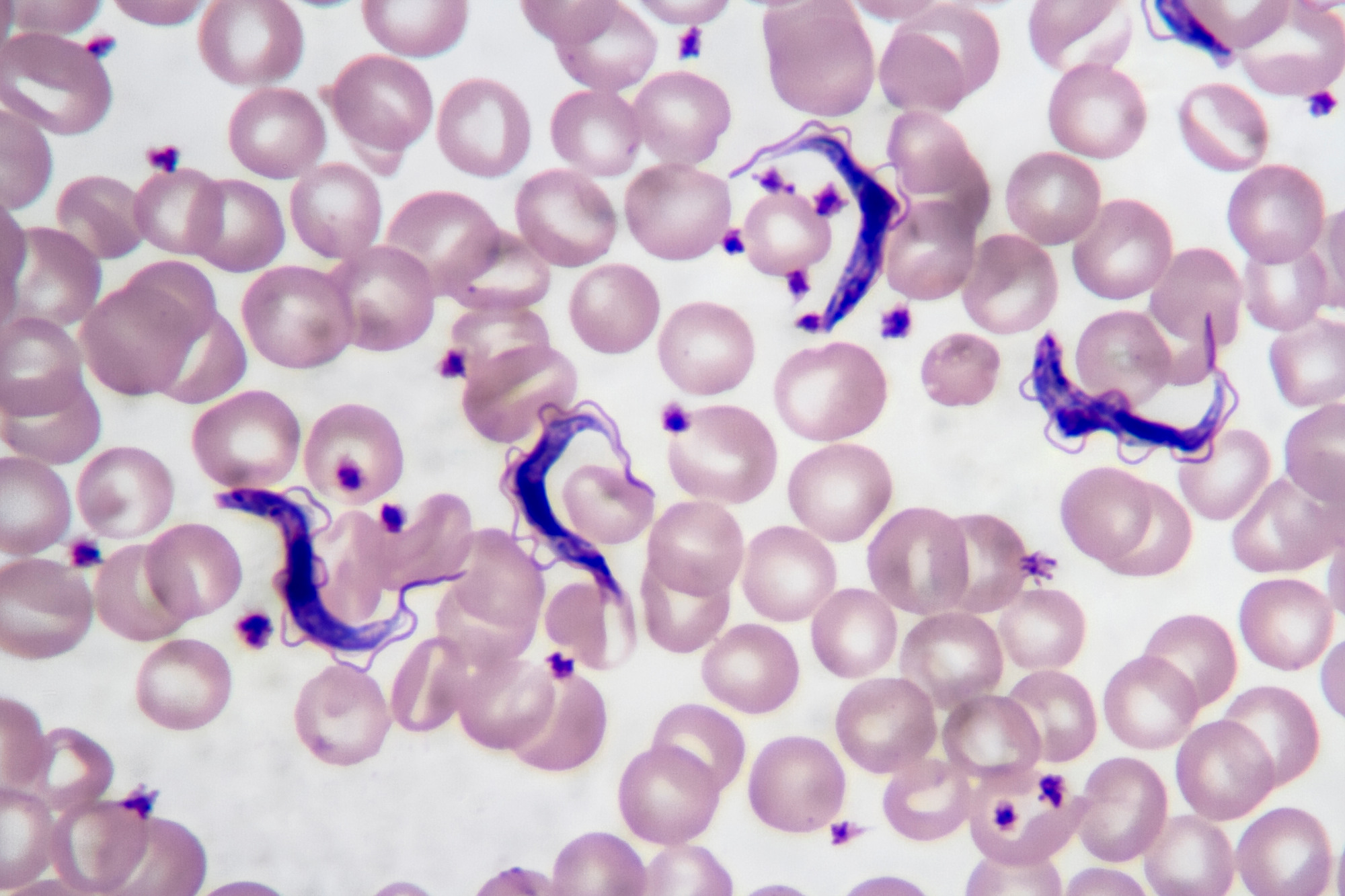
Dr. Barry’s path into this work began in basic science, studying how the Chagas parasite interacts with the immune system and why infection persists. Over time, her focus expanded. “It became clear that advancing the field requires not only mechanistic insight, but also attention to diagnosis, access to care, and the structural factors that allow neglected diseases to remain neglected,” she explains.
One of the most challenging aspects of Chagas disease is how it progresses. During her work, Dr. Barry was most surprised by how many people live for years without symptoms, yet 30–40% would eventually develop serious complications such as cardiomyopathy. This long phase, which is often silent, makes the disease difficult to detect and easy for health systems to overlook, especially in regions that are not endemic.
“ My approach is grounded in equity and accountability ”
Looking ahead, Dr. Barry highlights several gaps that must be addressed. There is still a need for more sensitive and accessible diagnostic tools, as well as more treatment options with fewer side effects. She also emphasizes the importance of integrating screening and treatment into routine care, particularly in areas where Chagas is often under-recognized. She shares that “Bridging those gaps could have an immediate impact.”
For students interested in global health or neglected diseases, her advice is simple: develop skills in cross-disciplinary collaboration. Progress in Chagas Disease research relies on “working across bench science, clinical care, public health, and community partnerships.”
Her guiding philosophy highlights this balance in cross-disciplinary collaboration: “Advance rigorous science while advocating for diseases like Chagas to be visible, prioritized, and treated.”