
Why This Matters
Global health is about far more than stethoscopes and medicine—it is about history, power and systemic justice. By gathering 15 young leaders from four continents, this inaugural course created space for young people to examine complex health inequities and begin developing the critical, cross-cultural and ethical tools needed to engage with them responsibly.
What is Brown Pre-College?
Brown Pre-College offers high school students the unique opportunity to embrace the challenge of college-level academics without the pressure of formal grades and credit. Offering 11 unique programs open to students completing grades 8 through 12, this year Brown Pre-College offered over 300 courses on campus, online and at a variety of domestic and international locations.
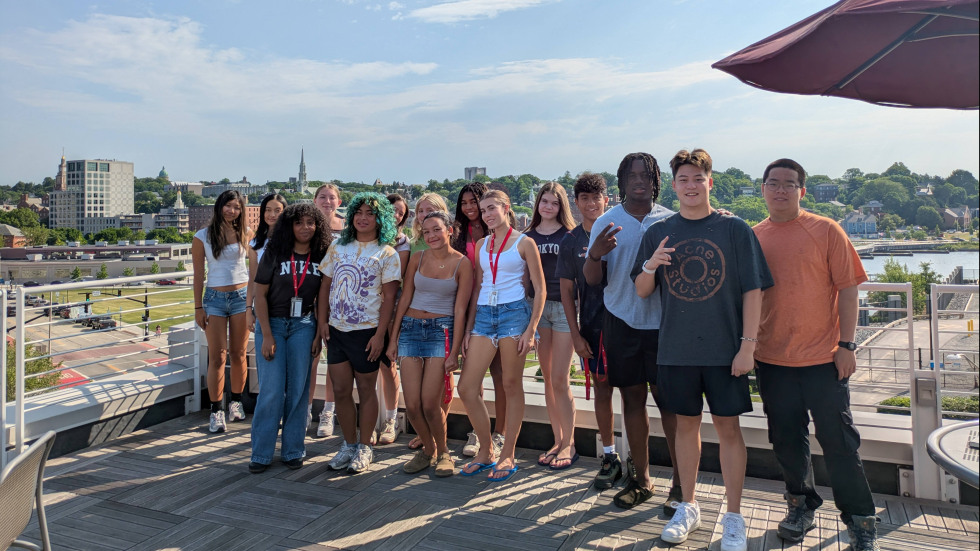
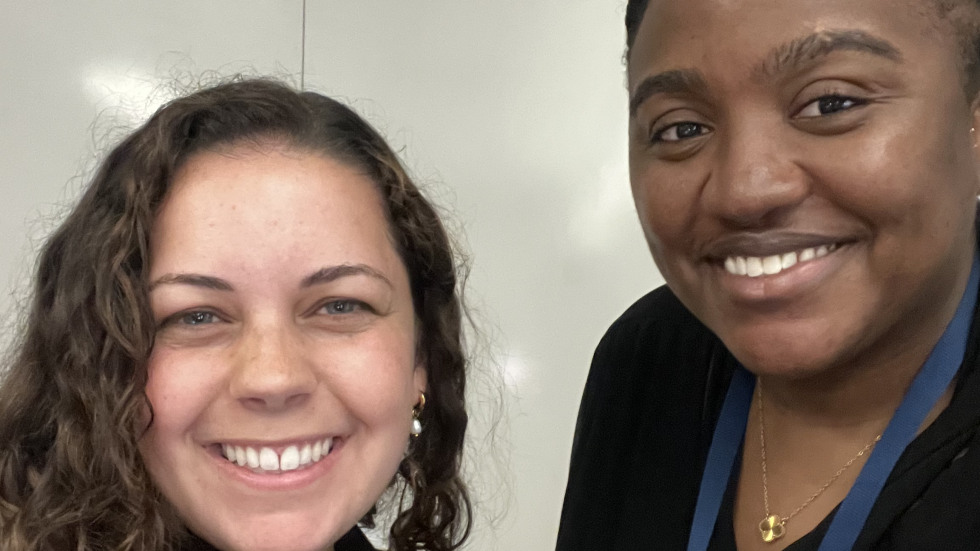
Among these options, 15 students chose to spend two intensive weeks on campus exploring global health topics with Dr. Anyanwu and Megan Feragne. The final roster brought together a truly global classroom, with students joining from across the United States, China, South America and Europe.
Week 1: Foundations of History, Power, and Inequity
The first week of the course was dedicated to building a critical foundation. The class opened by asking a fundamental question: What is global health? Rather than just reading a textbook definition, the students collaborated to construct their own working definition as the week progressed.
Class Definition of Global Health
Global Health is the reciprocal practice of equitable protection and bidirectional improvement of population and planetary health in local and global communities in response to inequities.
From there, the course explored:
- Colonial Legacies: Understanding how the history of colonialism continues to shape modern global health structures.
- Social Determinants of Health: Examining how non-medical factors—like environment, education and income—profoundly impact health outcomes.
- Power, Partnerships and Saviorism: Analyzing the ethics of international aid and how to build truly equitable, respectful community partnerships.
Week 2: Applied Systems, Ethics, and Engagement
In the second week, students began applying these foundational concepts to complex, modern public health challenges. Dedicated lectures and discussions focused on:
- Infectious Diseases: Exploring disease control and eradication, with specific lessons drawn from the history and treatment of Tuberculosis.
- Maternal Health & Reproductive Equity: Discussing systemic barriers to equitable reproductive healthcare.
- Health System Strengthening: Analyzing how to build resilient, sustainable healthcare infrastructure, including in conflict zones.
- Environmental Inequity & Planetary Health: Examining how climate change and environmental degradation disproportionately impact vulnerable populations.
Final Presentations
To wrap up their two weeks of intensive study, the students took center stage. On the final day, rather than completing a standard exam, students selected a final project format that allowed them to analyze and respond to a global health issue of their choice:
- A Detailed Case Study analyzing a specific regional health disparity.
- A Policy Brief outlining concrete legislative or systemic recommendations.
- A Funding Pitch for their own simulated international non-governmental organization (INGO).
Some of the remarkable final presentations included:
The Black Maternal Mortality Crisis in the United States: A compelling multimedia case study analyzing the systemic racism and historical inequities driving the disproportionate maternal mortality rates among Black women in the U.S.
The Tobacco Epidemic in Serbia: A policy-focused investigation into the social, economic and political factors behind Serbia's high tobacco prevalence, exploring how to implement effective, culturally-aware public health interventions in a region where smoking is widely socially accepted.
The Cholera Outbreak in Haiti: A case study analyzing the intersection of socio-political crises, infrastructure collapse, and natural disasters, and how these overlapping vulnerabilities fuel the resurgence of cholera in Haitian communities.
The Ebola and Mpox Outbreaks in the DRC: A timely dual-lens case study examining active public health emergencies in the Democratic Republic of the Congo, tracing the challenges of disease surveillance, global vaccine equity and local healthcare system resilience.
"Seeds of Knowledge" (INGO Pitch): An innovative organizational funding pitch proposing a creative international non-governmental organization that uses human-centered design to deliver education directly to children and community members in Sudan and surrounding countries.
Through these final projects, the students demonstrated their ability to apply concepts of equity, systems, ethics and power to real-world global health challenges. Their work reflected both thoughtful engagement with the course and growing confidence in imagining more equitable responses.
The course reflects CGHE’s commitment to introducing learners early to equity-centered, interdisciplinary approaches to global health.